Slip-resistant flooring for homes with kids and elderly parents
By Adam · Updated 2026-07-09
This guide covers general flooring choices to reduce slip risk. It isn’t medical or occupational safety advice, and households with specific mobility or health concerns should consult a relevant professional about individual needs.
Slip risk is one of the more overlooked factors when choosing flooring, especially for households with young children or elderly parents. Tile and marble bring real advantages, they’re durable and handle Klang Valley’s humidity well, but the finish you choose matters as much as the material itself.
Renovating with a specific household member’s safety in mind is a different exercise from choosing flooring purely on looks. It’s worth having this conversation with your contractor explicitly rather than assuming they’ll flag slip risk unprompted, since not every installer treats it as a priority unless asked.
Why finish matters more than material
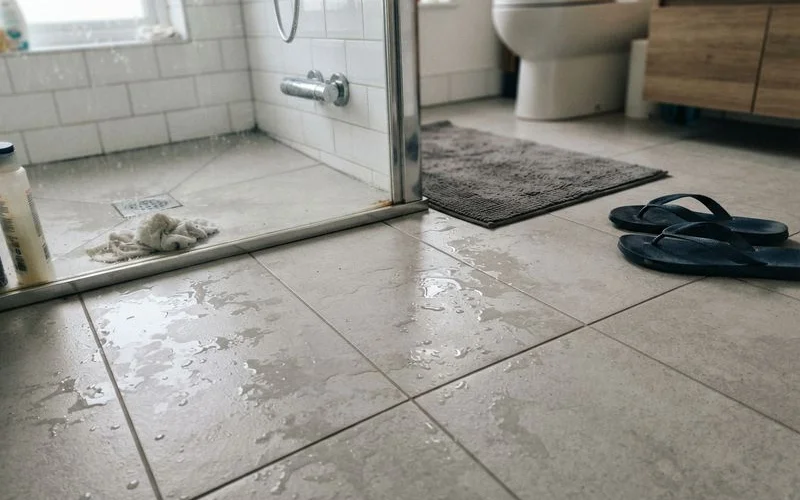
A highly polished marble or glazed tile surface looks striking but offers less traction than a honed, textured, or matte finish, particularly once water is on the floor. This isn’t a reason to avoid tile and marble flooring altogether, since a well-chosen finish gives you the durability of hard flooring without the slip risk of a glossy surface.
| Finish type | Look | Relative slip risk when wet |
|---|---|---|
| Polished / glazed | High shine, reflective | Higher |
| Honed | Matte, smooth | Lower |
| Textured / anti-slip rated | Matte with visible texture | Lowest |
Where slip risk matters most
- Bathrooms and areas just outside them, where water tracks onto the floor regularly.
- Kitchens, especially near sinks and stovetops where spills happen.
- Entrances and areas near balconies, which pick up rainwater during Klang Valley’s wetter months.
- Staircases, where a slip has more serious consequences than on a flat floor.
For these areas specifically, ask your contractor about a textured or anti-slip rated product even if the rest of the home uses a glossier finish elsewhere.
Questions to ask before you choose a material
- What’s the slip rating of this specific product, tested wet and dry?
- Is there a textured or honed version of the same tile if I like the look but I’m concerned about grip?
- For existing floors, is an anti-slip treatment an option instead of full replacement?
- How does grout width and depth affect grip underfoot, since flush, smooth grout can be as slippery as the tile itself?
Other ways to reduce slip risk beyond the floor itself
Flooring choice is the biggest lever, but it’s not the only one. Good lighting along hallways and near steps helps household members see wet or uneven patches before they become a problem. Handrails near any change in floor level, including small steps between rooms that are easy to overlook, are worth adding for households with young children or older parents. Prompt cleanup of spills matters regardless of finish, since even a well-rated anti-slip surface is more hazardous wet than dry.
For households renovating specifically with an elderly parent’s needs in mind, it’s also worth discussing threshold height between rooms with your contractor, since a raised transition strip between two flooring types can become its own trip hazard if it isn’t kept low and gradual.
Balancing safety and style
You don’t have to sacrifice a polished look throughout the home to manage slip risk. Many households use a glossier finish in lower-risk areas like a living room and switch to a textured or honed finish specifically in bathrooms, kitchens, and entryways. This room-by-room approach gets you both the aesthetic and the safety consideration where it actually matters. If you’re considering carpet in a bedroom for softer footing underfoot, our guide on carpet flooring, dust and allergies covers what to weigh before choosing it over a hard floor.
If you’re comparing contractors for this kind of project, check how they’re reviewed on this directory and see the scoring approach on our methodology page, since attention to detail on finish selection is exactly the kind of thing that shows up in customer feedback.
FAQ
- Is polished marble unsafe for a home with elderly parents?
- Highly polished marble can be slippery, especially when wet, which matters more in a humid climate where floors near entrances or bathrooms stay damp longer. A honed or textured finish is generally a safer choice for these areas.
- What does a slip rating actually mean?
- It's a measure of how much traction a floor surface provides, often tested wet and dry. Ask your contractor or supplier for the rating of any tile you're considering for wet-prone areas, rather than judging by appearance alone.
- Can I make existing tile or marble less slippery without replacing it?
- Sometimes. Anti-slip treatments and coatings exist for existing hard floors, and some contractors offer this as a lower-cost alternative to full replacement, though results vary by the original surface.
- Are rugs a good workaround for slippery floors?
- Only if they're secured with non-slip backing. A loose rug on a hard floor can itself become a trip hazard, particularly for elderly household members, so it's not a substitute for addressing the floor itself.