Best flooring choices for Klang Valley's humidity and monsoon season
By Adam · Updated 2026-06-30
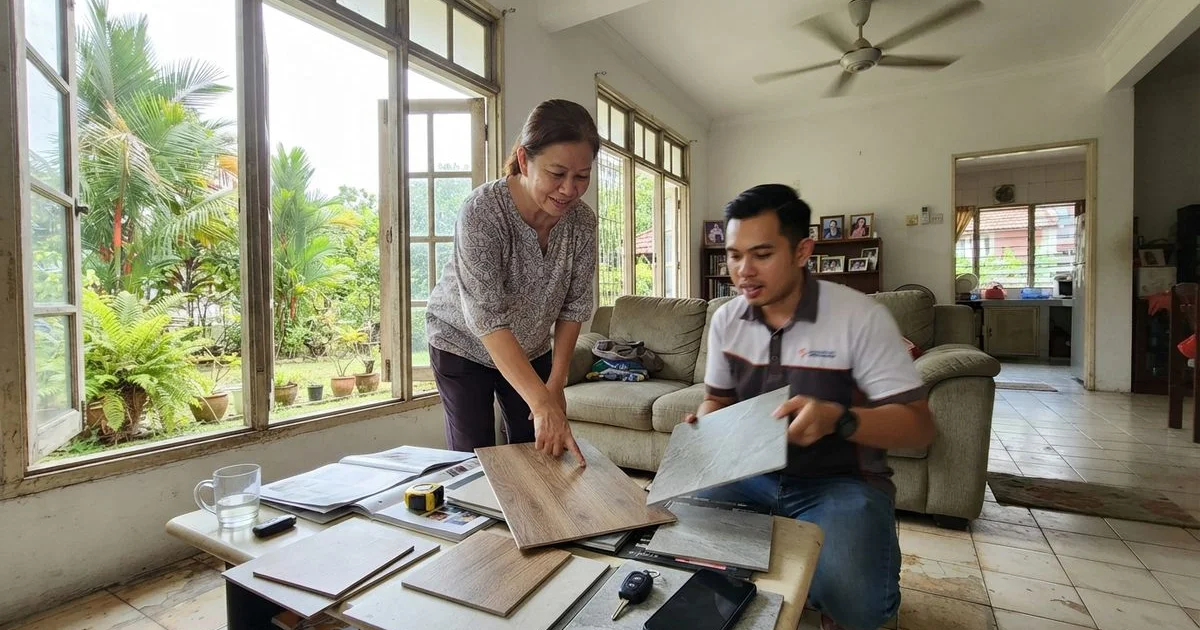
Klang Valley’s climate stays warm and humid year-round, with heavier rain during the monsoon months. That’s not a dealbreaker for any particular flooring material, but it does change which products need extra care and which contractors are worth asking the right questions.
Which materials handle humidity best
SPC and vinyl plank tolerate humidity well because their cores don’t absorb moisture the way timber does. Tile and marble are essentially unaffected by humidity itself, though poor waterproofing underneath can still cause problems. Timber and parquet sit at the other end: they’re natural materials that expand and contract with moisture in the air, and how well they hold up depends heavily on the product, the subfloor, and how the contractor handles acclimation and installation.
This doesn’t mean timber is a bad choice here. Plenty of Klang Valley homes run solid or engineered timber successfully for years. It means the details matter more than they would for SPC or tile, and it’s worth choosing a parquet and timber flooring specialist who can speak specifically to how they handle local conditions rather than a generic installation process.
What a good timber contractor does differently here
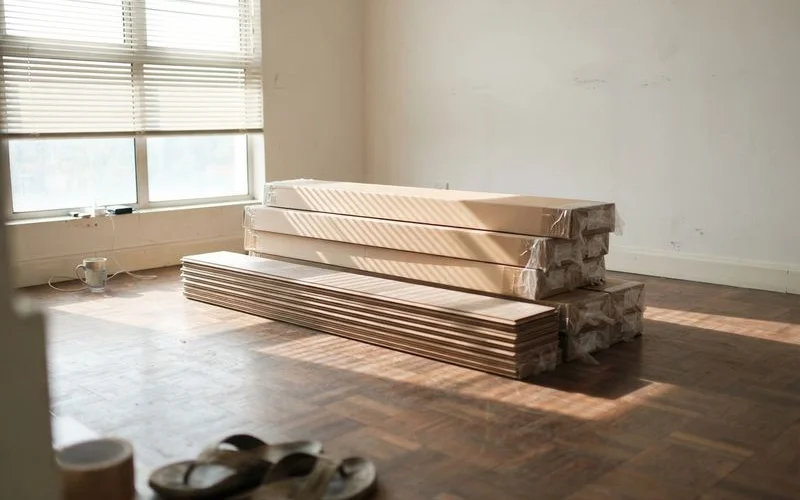
- Lets material acclimate on site. Timber should sit in the room it’s going into for a period before installation, so it adjusts to the space’s actual humidity rather than arriving straight from storage.
- Checks the subfloor for moisture, not just level. A slab that reads damp needs treatment or extra time to dry before timber goes down over it.
- Recommends a moisture barrier where it matters. Ground-floor units, rooms adjacent to bathrooms or kitchens, and homes without consistent air conditioning are the situations where this typically comes up.
- Leaves proper expansion gaps. Timber needs room to move seasonally, and gaps that are too tight are a common cause of buckling later.
- Recommends engineered over solid timber when conditions call for it. Not every room needs this, but a contractor who never suggests it regardless of the situation may not be tailoring the recommendation to your space.
Signs humidity is already causing a problem
If you’re dealing with an existing timber floor, watch for gaps that open and close with the seasons, boards that feel slightly raised at the edges (cupping), or a musty smell near skirting boards, which can point to trapped moisture underneath. These are worth having a contractor assess before they get worse, rather than waiting until boards need full replacement.
Seasonal gap movement on its own isn’t usually a cause for alarm. Timber naturally shrinks slightly during drier stretches and swells again once humidity rises, and gaps that close back up on their own during the wetter months are normal. Persistent cupping or boards that don’t settle back down are the signs worth getting checked. If humidity damage has left your timber floor looking tired ahead of a planned sale, our guide on replacing flooring before selling a home in Klang Valley covers when that repair or replacement is worth the spend.
What to ask about a moisture barrier
A moisture barrier sits between the subfloor and the new flooring, blocking rising damp from reaching the material above. It’s not automatically needed for every job, but it’s worth a direct question for ground-floor units, rooms that sit above a car park or unconditioned space, and any timber or laminate installation. Ask your contractor whether they tested the subfloor’s moisture level before recommending for or against a barrier, rather than accepting a blanket yes or no without a reason behind it.
Choosing flooring room by room with humidity in mind
Wet-prone areas like kitchens, bathrooms, and balconies are usually better suited to tile or a water-resistant SPC product regardless of the rest of your home’s flooring. Save timber for living rooms and bedrooms where humidity swings are smaller and easier to manage with normal air conditioning use.
If you want to see how flooring contractors on this directory are reviewed for workmanship and how well jobs hold up over time, our methodology page explains the scoring behind the rankings.
FAQ
- Does humidity really damage timber flooring in Klang Valley?
- It can, mainly through gaps opening up, cupping, or slight movement at the boards' edges when moisture levels swing between the wet and dry parts of the year. Proper acclimation before laying and a suitable underlay reduce this significantly.
- Is engineered timber better than solid timber for humidity here?
- Generally yes. The plywood core in engineered timber resists movement better than solid boards, which is why many contractors recommend it for ground-floor units or homes without consistent air conditioning.
- Do I need a moisture barrier under every type of flooring?
- Not always, but it's worth asking about for any ground-floor unit, any room near a bathroom or kitchen, or any timber-based product. SPC and tile are less sensitive to it than timber and laminate.
- Can air conditioning usage affect how a timber floor performs?
- Yes. Timber floors in rooms that swing between air-conditioned and non-air-conditioned use tend to move more over time than floors in rooms kept at a stable temperature and humidity.