Renovation permits and strata rules for flooring work in Klang Valley
By Adam · Updated 2026-07-08
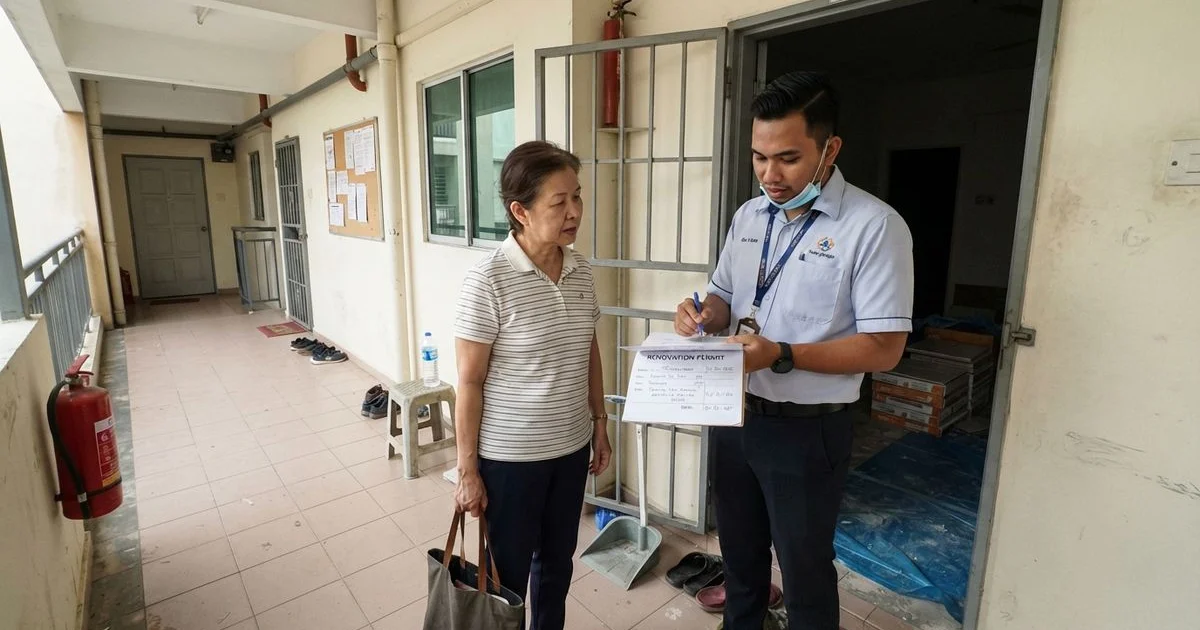
This guide is general information about how renovation permits typically work for Klang Valley strata properties. It isn’t legal advice, and you should confirm exact requirements with your building’s management body and, where relevant, a qualified professional, since bylaws vary between buildings.
Flooring work in a Klang Valley condo or apartment usually isn’t just a matter of booking a contractor. Most strata properties, governed under Malaysia’s Strata Management Act, require owners to get approval from the joint management body (JMB) or management corporation (MC) before renovation work starts, and flooring is one of the more commonly regulated categories because of noise transmission between units.
What management bodies typically ask for
- A renovation application form, often with drawings or a description of the planned work.
- A refundable renovation deposit, held to cover any damage to common property (lifts, corridors, shared walls) during the job, and returned after a post-work inspection.
- Confirmation of acoustic underlay for hard flooring like timber, tile, or SPC on upper floors, since many bylaws require it to limit impact noise to the unit below.
- A contractor’s insurance or liability confirmation in some buildings, particularly for larger renovation scopes.
Requirements differ from building to building, so the first real step for any flooring project isn’t calling a contractor, it’s checking your specific building’s house rules or contacting the management office directly. Some buildings publish these rules on a resident portal, while others only hand them out on request at the management office, so budget a little time for this step rather than assuming it’s a quick email.
Work-hour restrictions
Most Klang Valley strata properties restrict renovation work to specific hours and days, commonly weekday mornings through early evening, with work on Sundays and public holidays often prohibited entirely. Noisy work like tile hacking or floor sanding is sometimes restricted to a narrower window than quieter tasks. Confirm this with your management office before your contractor books a start date, since a schedule that ignores these rules can get work stopped mid-job.

Why acoustic underlay comes up so often
Impact noise, footsteps, dragged chairs, dropped objects, travels through hard flooring to the unit below far more than it does through carpet. This is the single most common reason strata buildings regulate flooring specifically, and why timber, tile, or SPC installations on upper floors often need underlay rated to a specific impact-sound standard. A contractor experienced with condo work should know this requirement and factor it into the quote, rather than leaving you to discover it during the permit process.
Who typically handles the paperwork
Some contractors experienced with condo work will help prepare or submit the renovation application on your behalf, since they’ve been through the process with the same building or a similar one before. Others expect the unit owner to handle it directly. Ask about this before booking, since assuming the contractor will sort it out, when they were expecting you to, is a common source of delay once a start date has already been agreed.
It’s also worth asking your management office whether there’s a fast-track process for small-scope work like flooring replacement alone, as opposed to a full renovation involving multiple trades. Some buildings apply a lighter-touch review for flooring-only jobs, which can shave real time off the approval process if you ask rather than assume the standard timeline applies.
Once the permit side is settled, it’s worth knowing who’s on the hook if the work itself goes wrong; our guide on flooring contractor liability and warranty basics covers what a contract should spell out.
A simple checklist before you start
- Contact your JMB or MC and request the renovation application form and house rules document.
- Confirm the renovation deposit amount and what triggers forfeiture.
- Check work-hour restrictions and any days work is fully prohibited.
- Ask specifically whether your planned flooring material requires acoustic underlay.
- Get management’s written approval before your contractor starts, not after.
Getting this right upfront avoids the far more expensive scenario of redoing work that didn’t comply with your building’s rules. You can find flooring contractors on this directory experienced with condo and strata renovation, and see how they’re scored on our methodology page for factors like reliability and communication.
FAQ
- Do I need permission from my condo management to install new flooring?
- Almost always, yes. Most joint management bodies (JMBs) or management corporations (MCs) in Klang Valley require a renovation application before flooring work starts, even for jobs that don't involve structural changes.
- Why do some condos restrict hard flooring on upper floors?
- Many strata bylaws require acoustic underlay or restrict hard flooring like tile or timber on units above ground floor, since impact noise (footsteps, dragged furniture) transmits to the unit below more with hard surfaces than carpet or a well-cushioned floor.
- What happens if I skip the permit process?
- Management can potentially issue a stop-work order, fine the unit owner, or require the work to be redone to comply with bylaws. It's a real risk, not just a formality, since a redo costs far more than the permit process itself.
- Do landed houses in Klang Valley need renovation permits too?
- Requirements vary by local council rather than a strata body, and generally apply to structural changes more than straightforward flooring replacement. Check with your local council if you're unsure whether your specific job qualifies.